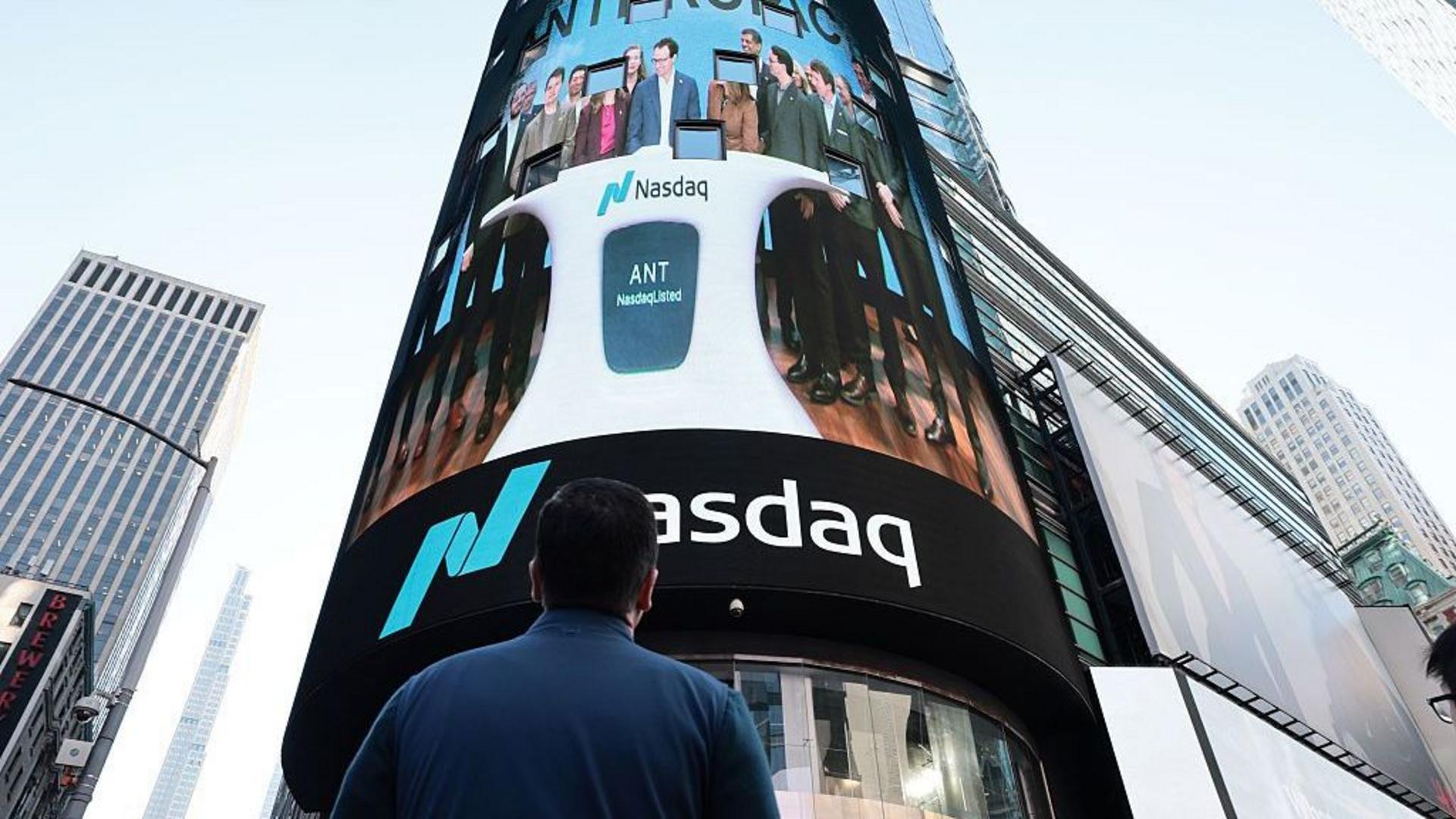
A soap bubble roughly the size of a minivan drifted across the New York trading floor on Friday.
Traders agreed almost immediately that it was definitely there. The exchange's Office of Spherical Affairs then convened an emergency committee, which classified the object as a "pre-revenue inflatable" and issued Form 10-Bubble, a mandatory disclosure requiring every desk to state in writing its exposure to the bubble, measured in arm's lengths.
The classification made the bubble larger. Within minutes it had cleared the options pit and was pressing gently against the ceiling sprinklers. A strategist responded by recalculating its price-to-air ratio, which came out as infinity, and the figure was posted on the main board.
The exchange next reclassified the bubble as a "durable asset" to stop the board from flashing red. This created a new problem. Durable assets must be insured, and the lowest underwriting quote came from a firm that specified only that the bubble had to stay at least eleven feet from anything sharp. The floor contained a stapler at every desk. A volunteer team began collecting staplers into a single wheeled bin, which a junior analyst was assigned to push in slow circles around the perimeter, humming.
By early afternoon a ratings agency had arrived with a clipboard and awarded the bubble a provisional "BBB+," then held a second meeting to argue about whether the plus referred to the bubble or to the meeting. The bubble responded by growing a second, smaller bubble off its side. Exchange staff recognized this as a spin-off and filed the paperwork. The spin-off immediately went public. Its ticker, BLBL, opened at forty dollars and was trading at nine hundred by lunch, almost entirely on the strength of being round.
An index provider announced that the original bubble would join a benchmark of large-cap floaters, which obliged every passive fund in the country to buy a minivan-sized quantity of soapy air. Truck after truck of canisters arrived at the loading dock. A senior trader was seen signing for them with a stylus.
Late in the day a panel of analysts, rotating on twenty-minute shifts to avoid conflicts of interest, began escorting the bubble toward the exit. It would not fit through the lobby doors, so the exchange amended its bylaws to widen them, then cancelled the amendment when the bubble fit after all, then reinstated it when the bubble swelled again at the threshold.
The bubble left at last through the freight entrance, trailing its spin-off and a convoy of insured staplers. The closing bell rang on schedule over a floor that was by then entirely out of canisters.
The exchange announced that, pending review, all trading would resume on Monday under the new name for the bubble, which it said had been renamed a "legacy cloud."