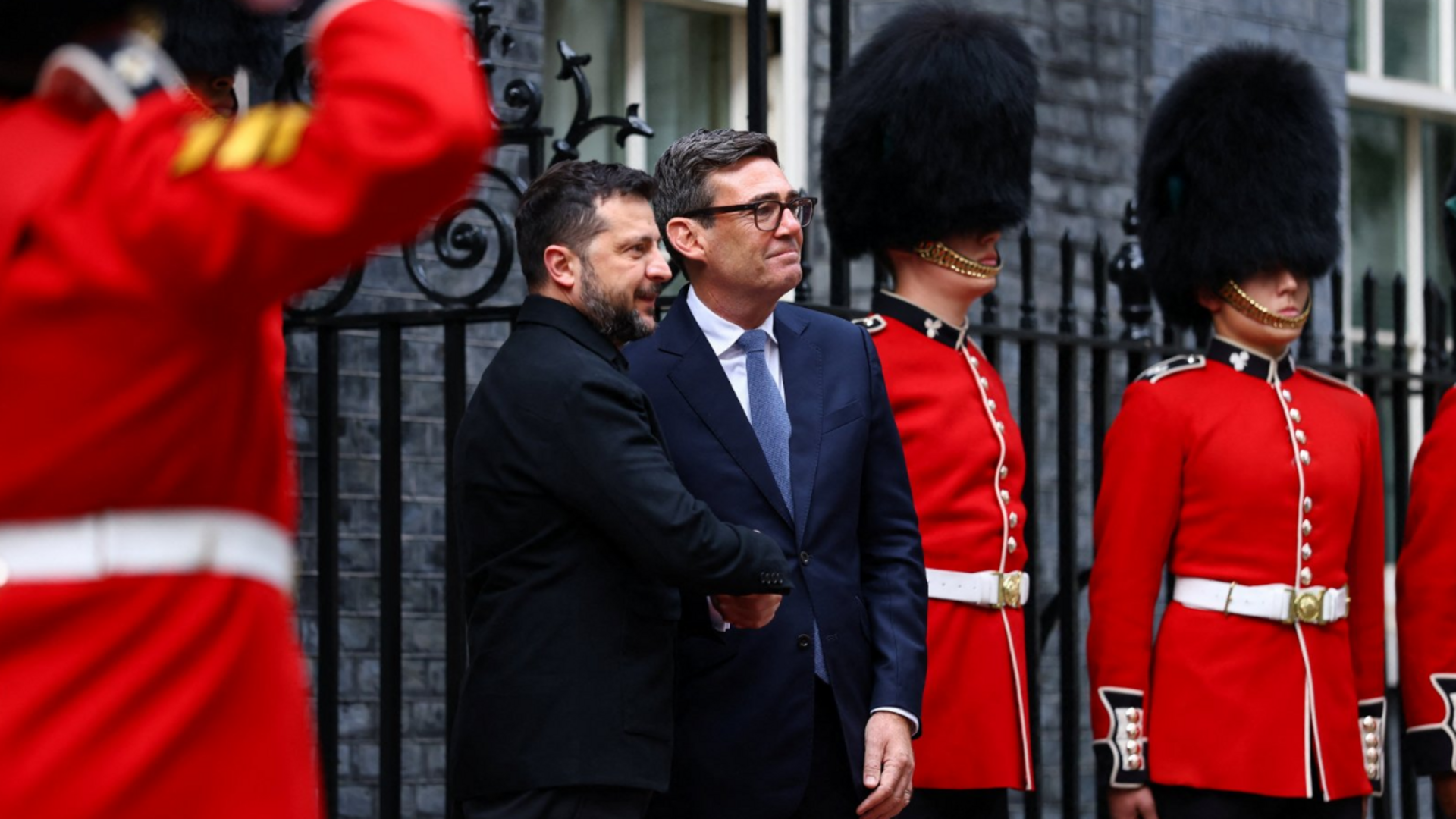
Britain Announces 'Bridge-Building' Now Official Foreign Policy Stance Regardless of Whether Bridge Needed, Wanted, or Structurally Sound
The British government has formalized bridge-building as its primary foreign policy doctrine, with the Foreign Office confirming that the UK will henceforth offer to construct metaphorical bridges between any two international parties irrespective of whether they are in dispute, whether either party requests mediation, or whether one is currently invading the other.
Foreign Secretary David Lammy told Parliament that Britain's new institutional mandate extends beyond traditional conflict resolution to encompass situations where no rift exists. Under the revised framework, British diplomats will proactively identify potential bridge-building opportunities including between nations already enjoying excellent relations, between countries that have never had contact, and between aggressors and their victims during active hostilities. The ministry emphasized that Britain's commitment to repairing bridges applies equally when one party is demonstrably destroying the actual infrastructure of the other party's country.
The Treasury has allocated £200 million for a strategic reserve of metaphorical construction materials to support the new doctrine. Procurement documents detail purchases including 4,000 tons of troubled waters oil for applications where Britain determines waters require calming, industrial quantities of fence-sitting equipment rated for extended diplomatic use, and a fleet of shuttle aircraft to maintain continuous ministerial transit between capitals. The materials stockpile also includes prefabricated components for building bridges to nowhere, which officials described as essential for circumstances when both sides of a dispute have explicitly rejected mediation.
Downing Street clarified that British ministers will now operate on permanent rotation between foreign capitals, with no individual diplomat remaining stationary for more than six hours. The rotation system ensures that UK representatives can physically embody shuttle diplomacy while making carefully calibrated statements that avoid specifying which party to any conflict bears responsibility. Officials confirmed that the previous foreign policy goal of articulating Britain's position on international matters has been retired in favor of maximizing the number of bridges under notional construction at any given time, regardless of whether the structures lead anywhere or support any weight.