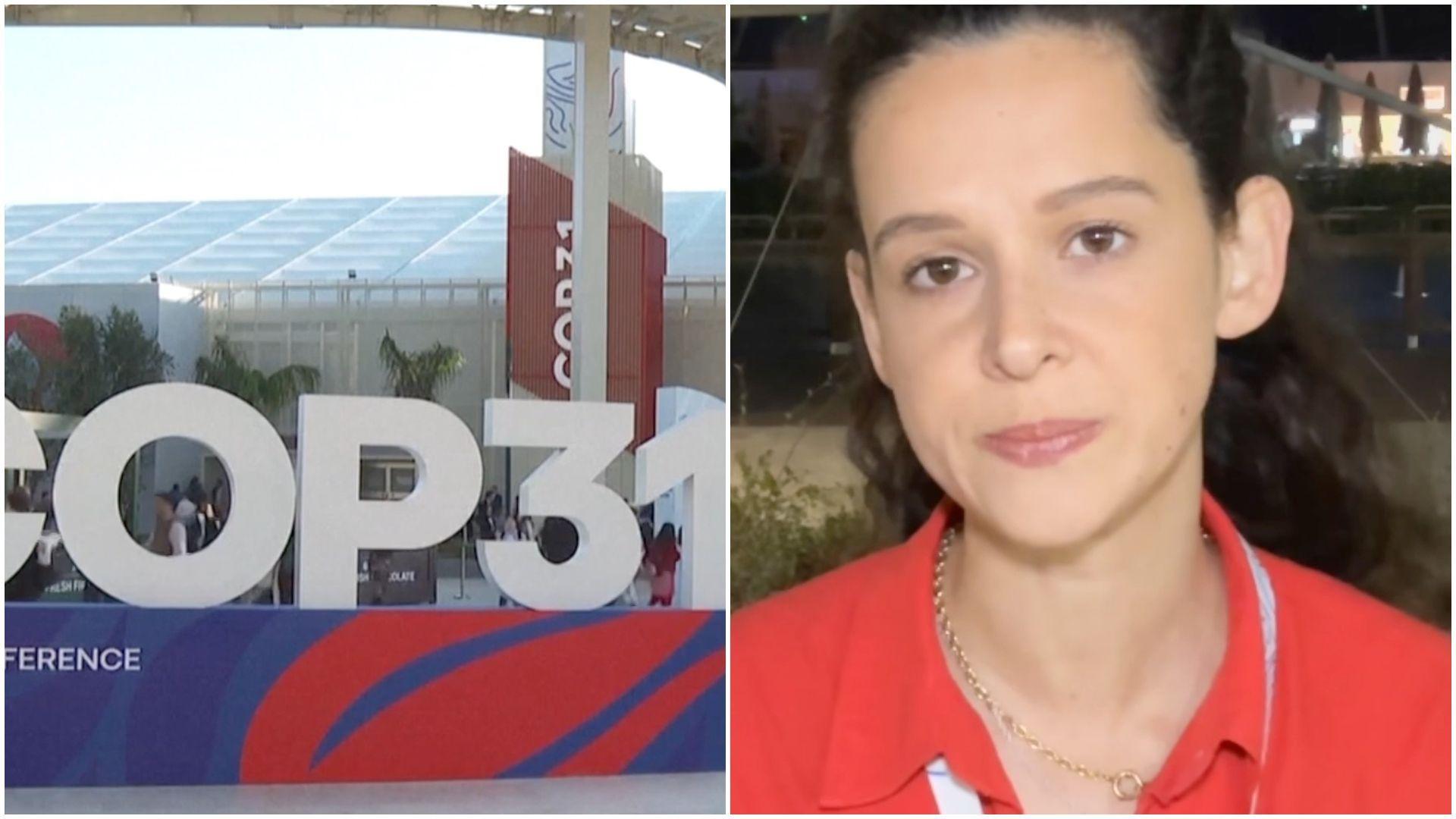
COP31 in Antalya overran by two days without a deal, and the venue has since been recognised as a sovereign time zone in which the negotiation deadline does not arrive.
The zone's first act was to issue itself a seal. The seal depicts a clock with no hands above a ring of bracketed text, and it is now required on every document leaving the plenary hall. Delegates exiting the building must present their accreditation and a completed Form 7-B, Declaration of Hours Not Elapsed, to a border officer seated at the revolving door. The officer stamps each form with the date of the final Friday.
Inside the zone, the clock is fixed at 4:45 p.m. on the final Friday. Wall clocks in the plenary room display this time and have been certified as correct by the zone's own Bureau of Hours. Lunch is served at 4:45 p.m. Dinner is also served at 4:45 p.m. The catering manager confirmed that dessert has been out for some time.
A fifth draft agreement was circulated and rejected for failing to mention fossil fuels. A sixth was rejected for mentioning them. Interpreters invoice per century of simultaneous interpretation, and the first invoice was approved by the budget committee at 4:45 p.m. A geologist attached to the Turkish delegation reclassified the glossary of bracketed text in the annex as a sedimentary formation, with the oldest brackets at the bottom.
The European Union tabled a seventh text. Russia tabled an eighth that referred to the first seven as preliminary. A group of oil-producing states submitted a ninth draft consisting solely of the word consultation, which was entered into the record and has been amended four hundred times.
On the second afternoon, the delegation of a mid-sized coastal state tabled a motion to establish a second time zone inside the first, covering the annex, so that the eleven floors of brackets could proceed to a deadline of their own. The motion was supported by two delegations and opposed by a third, which declared that the annex was already a separate zone and had been since the geologist filed her report. The Bureau of Hours ruled that both claims were in order. The annex now observes a time of 4:45 p.m. on the final Friday of a different year, which the Bureau has declined to specify.
The two zones were unable to agree on a boundary. A working group was convened to draw one on a map, and the map was circulated in draft. It shows the plenary hall, the annex, and a narrow strip between them marked pending, in which the clocks are reported to disagree with one another. Border formalities for the strip are being negotiated.
A host city for COP32 has been proposed. Delegations requested one more draft.