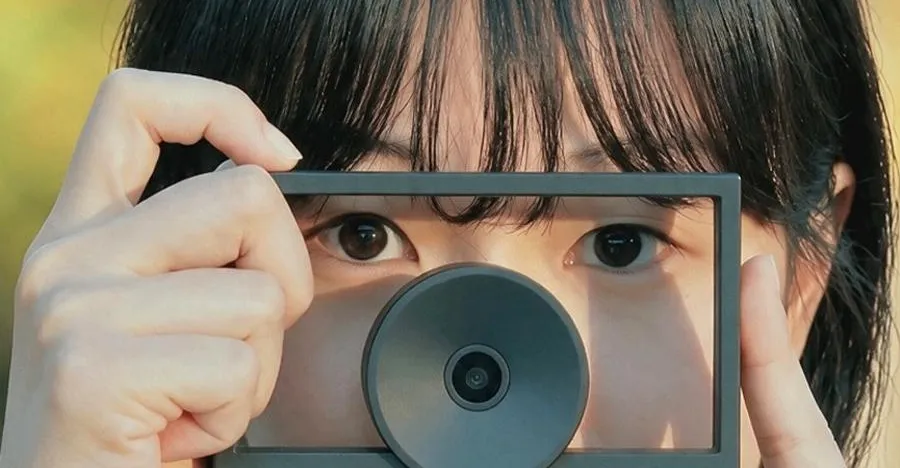
A photographer who used a screen-free camera reported Tuesday that she held eye contact with her subject through an entire portrait session and does not know what the camera captured.
By Wednesday, her subject had asked for proof. The photographer produced the shot counter, which had gone down by forty, and the subject accepted it as a partial answer. A second subject asked to see the photographer's eyes at the moment of exposure, to confirm they were fixed on him and not on the middle distance. A third asked for a signed statement. Photographers across the trade began carrying printed attestation forms, and subjects began initialing them in the margin.
The wedding industry moved next. The Association of Matrimonial Photographers announced that couples would now be entitled to a gaze guarantee, a written commitment that the photographer looked at them for no fewer than ninety percent of the ceremony. Venues added a gaze monitor, a retired usher stationed near the altar with a clipboard and a stopwatch. Couples who found that their photographer had glanced at the cake were offered a discount on the cake.
Portrait studios adopted the logic within the week. The Regional Portrait Standards Board introduced a mandatory ninety-second Mutual Regard Interval before every sitting, during which photographer and subject face each other in silence and neither blinks on purpose. Sessions that began with the interval were certified, and sessions that skipped it were reclassified as snapshots. The board noted that the interval had no effect on the photographs, since it ended before the photographer picked up the camera.
By Thursday, school photographers were under pressure to extend the interval to class pictures. A district in the north agreed to a pilot in which the photographer would make eye contact with each of the 312 pupils individually before the group shot. The schedule allotted four hours, and the pilot ran into the next school year.
Insurers followed. One underwriter announced a new rider covering gaze interruption, defined as any lapse in eye contact exceeding two seconds, including sneezes. Claims are paid in the form of a replacement session, which the photographer must again conduct without looking at the result.
The photographer who started it all said she was glad to have been present for every moment. She had not yet seen the portraits. Her original subject, still waiting, reported that the interval was going well.